Work schedule
How long conservatory roof replacement takes
Find out what happens on site when a specialist firm replaces your conservatory roof in Liverpool. The usual order of work, from taking the old panels down to plastering the new ceiling, is set out here so you know what to expect at home.
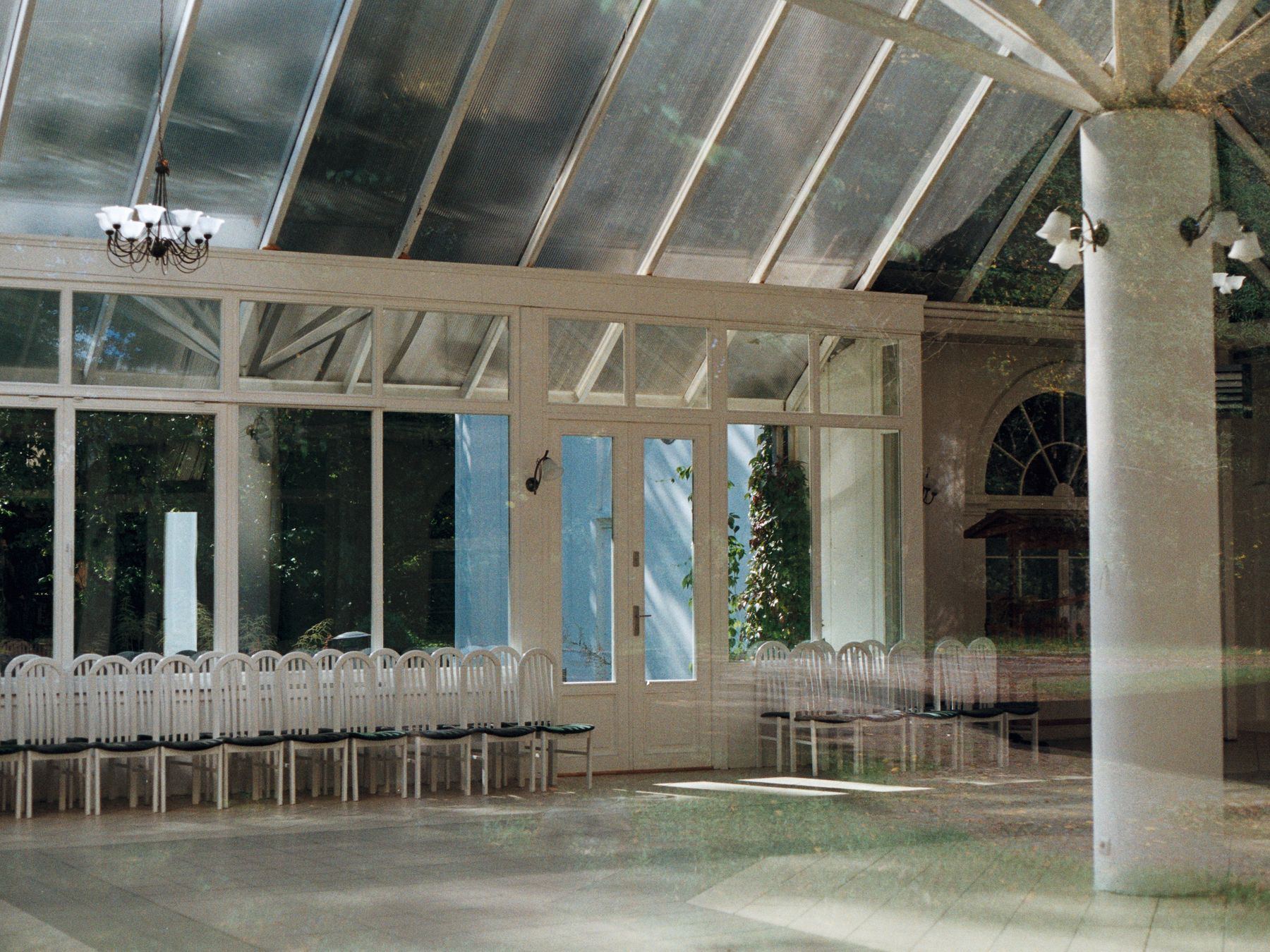
The strip out conservatory roof stages
Anyone wondering how long conservatory roof replacement takes will find the answer depends on the size of the room and the material being fitted. A standard conservatory roof replacement timescale in Liverpool usually runs over several working days rather than weeks. The first job on site is always removing the existing glazing or polycarbonate panels.
Specialist fitters take down the old roof carefully so the frame beneath can be checked. They look for rot, movement or damage that might need attention before anything new goes up. This stage clears the way for the structural work and usually finishes within the first day on smaller rooms. On larger extensions, or where the old structure is heavy glass, it takes longer to dismantle safely.
Once the old material is down and the frame is sound, the fitters prepare the top of the existing structure to receive the new insulated panels or tiles. Every piece of waste is cleared from the garden as they go, so the area around your home stays usable throughout the job.
Fitting the new roof structure
After the old panels are gone, the new structure goes up. People often ask how many days to fit warm roof systems, and the answer rests on the design chosen. A lightweight tiled system typically fixes into place faster than one built with heavier concrete tiles, because the aluminium framing slots together panel by panel.
The fitters build the new roof directly onto the checked frame. Insulation boards sit between the rafters, followed by a breathable membrane and then the outer layer of tiles or slates. Flashings seal the join between the new roof and the house wall to stop rain tracking back inside. Guttering and fascias are fixed at this point too, so water has somewhere to go straight away.
Because the specialists doing the work operate across Liverpool, they are used to local conditions. They plan the build so the room is not left open to the weather overnight. Temporary covers go on if the outer layer cannot be completed before dark, keeping the space dry until work resumes in the morning.
Plastering the ceiling inside
With the roof sealed outside, attention turns to the interior. Boards are fixed to the underside of the new structure to create a flat surface. Specialist plasterers then apply a finish coat to these boards, turning the space from a building site back into a room.
The conservatory roof install process reaches its final phase here. Plaster needs time to lose moisture before anyone paints it. In a typical Liverpool home, plastering conservatory ceiling drying time takes at least a week, sometimes longer if the weather is damp and cold. Opening doors to ventilate the room helps, but rushing the paint risks trapping moisture and causing peeling later.
The exact conservatory roof work schedule varies between firms. Some complete the exterior and interior in one continuous visit; others leave a gap to let the plaster cure fully before returning for any decorative finishing touches. You will know which approach applies once the specialist quotes for your specific home.
Typical costs for roof work in Liverpool
Prices vary because every conservatory differs in size, shape and access. The roof material, the condition of the existing frame and whether internal plastering is included all move a job within these ranges.
-
Roof insulation only
£1,500 - £3,000
Thickness of boards and the number of panels needing treatment inside the existing frame.
-
Polycarbonate to glass roof
£2,500 - £5,000
Size of the roof and whether the existing aluminium frame can support heavier glass panels.
-
£4,000 - £7,500
Roof area, tile choice and whether internal plastering is included in the work.
-
Solid tiled roof replacement
£5,500 - £9,000
Structural upgrades needed for the extra weight and the complexity of the roof shape.
-
Full replacement with plastering
£6,500 - £10,000
Complete strip-out, new insulated structure, external tiling and internal ceiling finish.
These figures indicate what work of this type typically costs. Nothing here is a quotation. Only an inspection of your home settles a figure.
Questions about the work on site
How many days will my conservatory be out of action during the work?
Most jobs take three to five working days from strip-out to plastering. You can walk through the room once the new roof is watertight, but furniture should stay out until the plaster dries completely. The specialist confirms the expected duration after inspecting your home.
What is the order of work from taking the old roof off to plastering?
Fitters remove the old panels, check the frame, build the new insulated structure, fix the outer tiles or glazing, seal the flashings, board the inside and plaster the ceiling. Each step follows the last without gaps, unless drying time is needed between coats.
Will the room be left open to the weather overnight?
No. Specialists plan the build so the roof is sealed each evening. If bad weather stops progress mid-stage, temporary waterproof covers protect the opening. Your home stays dry while the work continues the next morning.
Do I need to empty the conservatory before the fitters arrive?
Yes. Clear everything out, including blinds, shelves and floor coverings near the walls. Fitters need clear access to the frame and floor space to work safely. They will tell you exactly what to move when they confirm the start date.
How long before the new plastered ceiling can be painted?
Plaster usually needs seven to fourteen days to dry fully, depending on ventilation and humidity. Painting too soon traps moisture. The plasterer doing the work will advise when the surface is ready for a mist coat and top coats.
Does bad weather in Liverpool usually delay a roof replacement?
Heavy rain or high winds can pause external work, especially when lifting tiles or sealing flashings. Specialists build some flexibility into the schedule for this. Prolonged storms might add a day or two, but most jobs finish close to the planned date.
Will scaffolding be needed and how long does it stay up?
Many conservatory roofs are low enough for tower scaffolds or ladders. Where full scaffolding is required, it goes up the day before work starts and comes down once the exterior is finished. The specialist assesses access during the initial visit.
When will I get a start date after accepting a quote?
This depends on the firm's current workload and material lead times. Once you accept a quote, the specialist books you into their schedule and confirms a start date. Materials are ordered ahead so nothing holds up the work on the day.
Ask about your conservatory roof
Send details about your home and what you have noticed. A specialist firm reviews the information and replies with advice or a visit. Enquiring does not commit you to any work or payment.
- No obligation
- Local specialists
- Clear answers