Areas covered
Conservatory roof areas covered around Liverpool
Find out which parts of Liverpool and the Wirral have dedicated pages for warm roof conversions. Each area page covers what the work involves locally, from scaffolding access to the specific frames found on homes nearby.
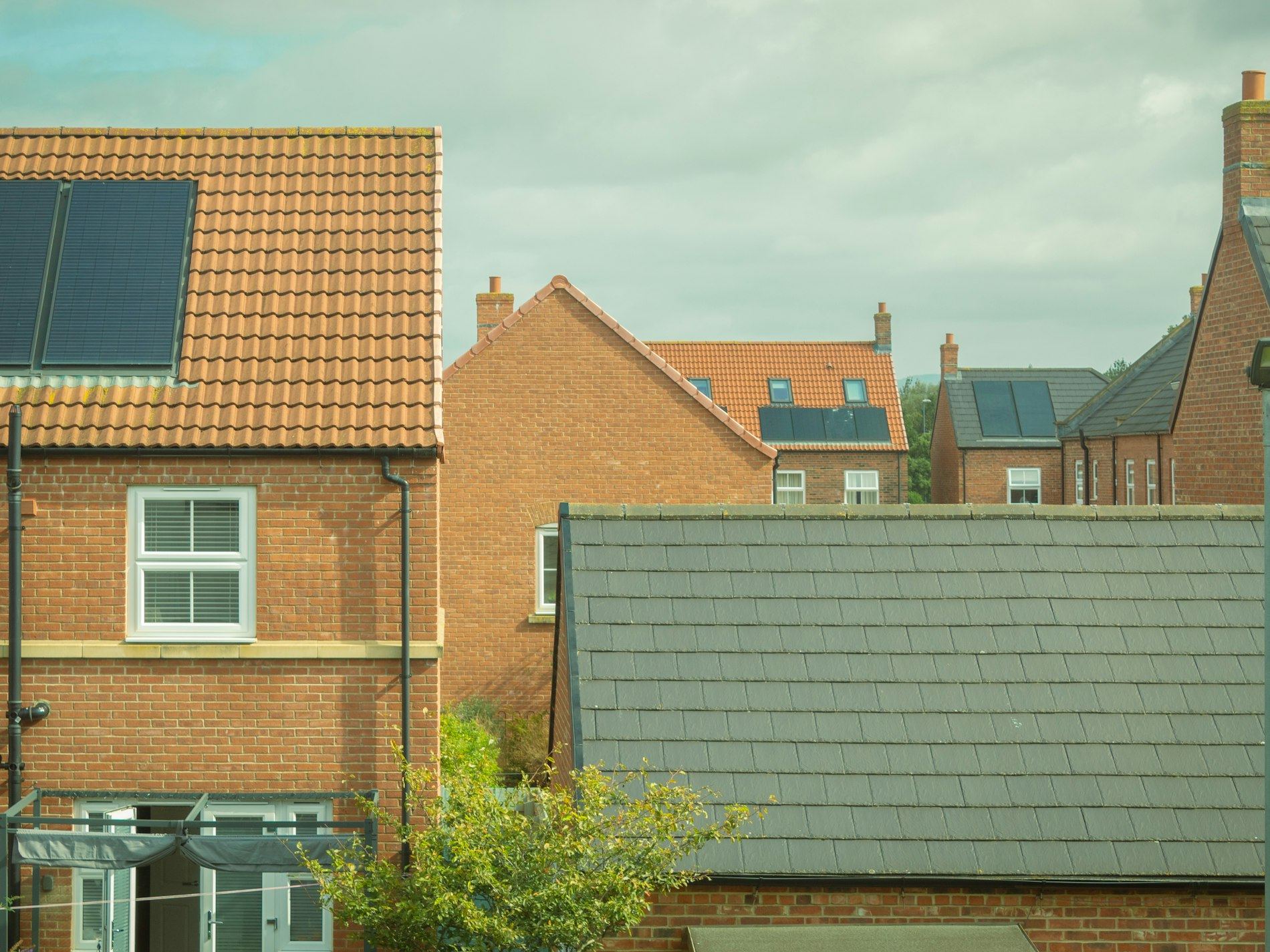
Why location matters for a conservatory roof
Replacing a glass or polycarbonate conservatory roof with an insulated one changes how the space behaves in every season. The work itself follows the same principles anywhere, but the details shift depending on where your home is.
Terraced streets in older parts of Liverpool mean tighter access for scaffolding. Semi-detached homes on the Wirral often have different prevailing winds, which affects how the specialist firms fix flashings and seal the new tiles. Knowing the area helps the people doing the work plan properly before they arrive.
A warm roof conversion adds weight to the existing frame. The specialist will check whether the current aluminium or uPVC structure can support solid tiles or lightweight composite panels. They also look at the base. Some older conservatories were built on shallow foundations that need assessment before any new load goes on top.
Every area page below sets out what to expect for homes in that specific postcode. Read the one closest to you to find out how the work typically happens on your type of street.
Liverpool areas covered for warm roof conversions
Homes across Liverpool vary widely, from Victorian terraces to modern builds, and each type presents different conditions for a roof replacement. The pages below focus on what the specialist firms encounter in each neighbourhood.
In Wavertree, many conservatories sit at the back of narrow terraced houses. Access is often through the side return, so the specialists plan how to bring materials in without disrupting neighbouring gardens. Kirkdale and Walton have similar layouts, with older brickwork that requires careful attention when fitting new lead flashing against the main house wall.
Bootle has a mix of interwar semis and newer developments. The specialists working there regularly assess original timber frames hidden behind uPVC cladding, checking for rot before committing to a heavier tiled roof.
Each of these places has its own page detailing the common conservatory styles found there and how a warm roof conversion fits them. Reading the page for your area gives you a clearer picture of the work involved before you decide to ask for a price.
Wirral areas covered for tiled conservatory roofs
Across the Mersey, the Wirral has its own set of conditions for conservatory roof replacements. Homes here tend to face stronger weather coming off the Irish Sea, so wind resistance and waterproofing are priorities for the specialists doing the work.
Birkenhead has many older properties with original conservatory additions dating back several decades. The specialists assessing these homes pay close attention to the condition of the existing frame, since early uPVC systems sometimes lack the internal reinforcement needed for a solid tiled roof.
Wallasey and Bebington feature more mid-century semis with larger rear gardens. Conservatories here are often wider, meaning the new roof structure spans a greater distance. The specialists calculate the load carefully and use appropriate ridge beams to keep the ceiling line straight.
Each Wirral area page explains the typical roof shapes found locally and what the conversion process looks like for those specific structures. Find your town below to see how the work applies to your home.
What the specialists do on every job
Regardless of the postcode, the process for replacing a conservatory roof follows a clear sequence. The specialist firms handle the physical work from start to finish, while enquiries come through this site.
First, they remove the old glazing or polycarbonate sheets. Then they inspect the exposed frame for damage or deflection. If the structure needs strengthening, they add new aluminium inserts or replace compromised sections before proceeding.
Next comes the insulation layer, followed by the outer covering. This might be lightweight tiles, slate-effect composite panels, or a flat membrane system, depending on what suits the existing frame. The specialists then fit new fascias and guttering to match the rest of the house.
Inside, the ceiling gets plastered to create a smooth finish that matches the adjoining room. The result is a space that holds heat in winter and stays cooler during summer, without the drumming noise of rain on plastic panels. Every area page links back to these core steps, showing how they apply locally.
Ask about a warm roof for your home
Send your details and a specialist firm will reply with advice on whether your conservatory frame can take a solid roof. There is no obligation to proceed.
- No obligation to proceed
- Local specialists respond
- Free initial advice
Areas covered
- Birkenhead
Conservatory roof replacement in Birkenhead covers warm roof conversions, insulated panels and plastered ceilings, with notes on what each option involves.
- Wallasey
Conservatory roof replacement in Wallasey explained: warm roof build-ups, tiled finishes and insulated ceilings, so you can weigh up which suits your room.
- Bebington
A tiled conservatory roof in Bebington can cut glare and heat loss. See how solid roofs are built up, what frames can carry and what to check first.
- Bootle
Conservatory roof replacement in Bootle, from warm roof conversions to new guttering and fascias, with the signs that an older roof is past its best.
- Wavertree
Conservatory roof replacement in Wavertree covers warm roof conversions, tiled roofs and insulation. See what each option involves and what to check first.
- Kirkdale
Conservatory roof replacement in Kirkdale explained: warm roof conversions, plastered ceilings and insulation, plus what to check before work starts.
- Walton
Conservatory roof replacement in Walton turns a glass or polycarbonate roof into a warm, insulated one. Learn the options, the finish and what to consider.