Rain noise guide
Conservatory roof rain noise and condensation
Find out why a polycarbonate roof drums so loudly when it rains, what causes water to drip from the ceiling inside, and how insulation or a new build-up changes things for your home.
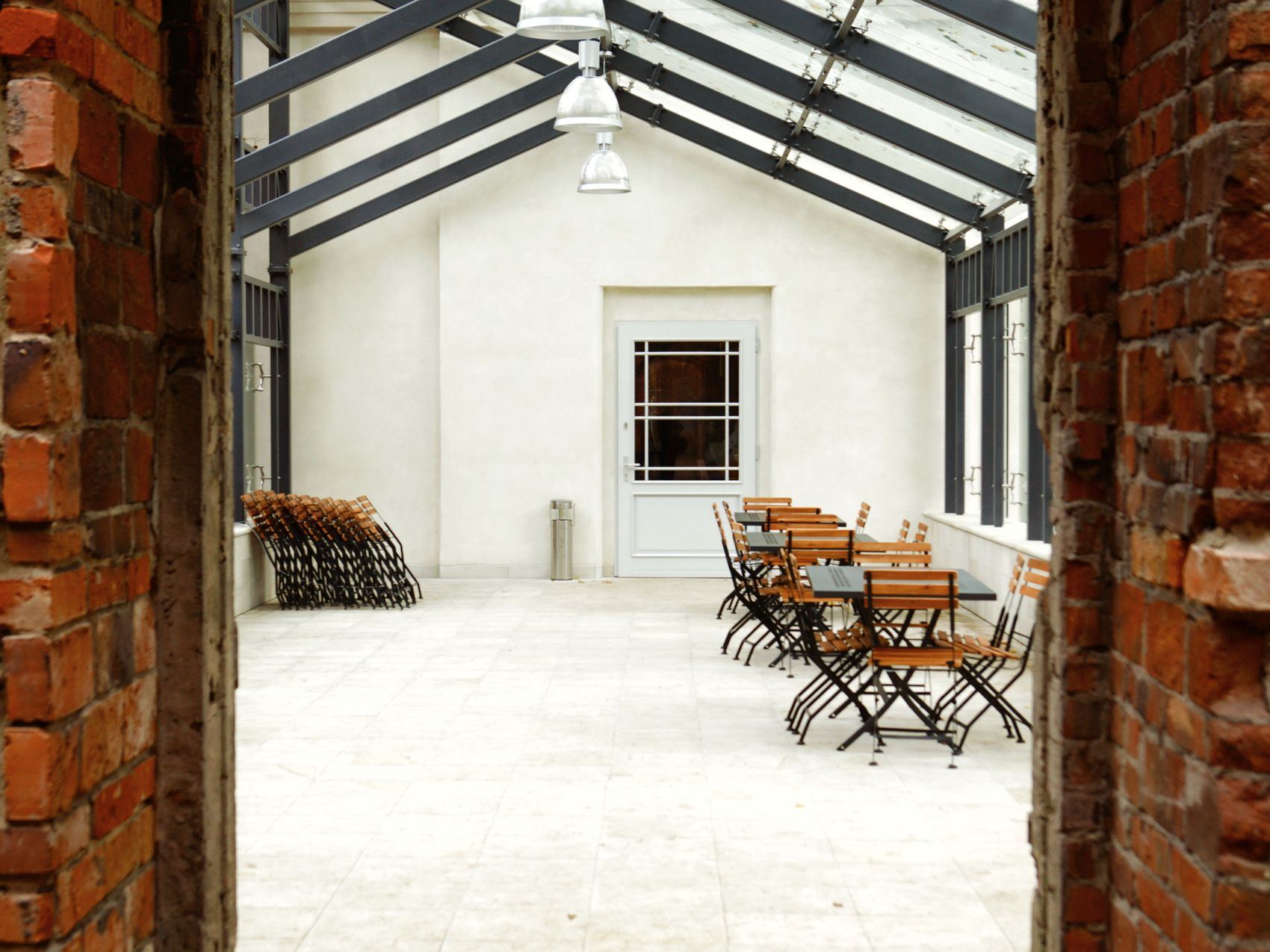
Why a polycarbonate roof is so loud in the rain
A polycarbonate sheet is thin and rigid. When rain hits it, the whole panel vibrates like a drum skin. That is why conservatory roof rain noise is such a common complaint across Liverpool, especially during heavy Atlantic showers rolling off the Mersey. The hollow multi-wall structure of older panels amplifies the sound rather than absorbing it.
People searching for a polycarbonate roof noisy in rain are noticing a physical fact about the material. It has almost no mass to deaden impact. A heavier covering, such as tiles on a solid deck, stops that vibration at the surface. The difference between the two is not subtle. You can hold a conversation at normal volume under a tiled roof while the rain falls outside, where before you had to shout over the din.
Dripping ceilings and condensation in winter
Water dripping from the ceiling does not always mean the roof leaks. In winter, warm air from your house rises into the conservatory and hits the cold underside of the glazing. The moisture in that air turns to liquid immediately. This is condensation in a conservatory roof, and it pools until gravity pulls it down onto the floor or furniture.
Telling a conservatory roof leak from condensation takes a close look. A leak follows a path, usually running along a bar or appearing directly under a failed seal. Condensation forms evenly across the coldest surfaces. If the drips appear only when the heating is on and the outside temperature drops, moisture in the air is the likely cause. Wiping the bars dry after a cold night and checking whether the water returns without rainfall helps confirm it.
How insulation changes the noise level
Fitting insulation boards beneath the existing glazing is one way to quieten the room. A layer of closed-cell foam adds mass and traps air, both of which slow down vibration. Specialist fitters who handle conservatory roof insulation in Liverpool fix these boards directly to the internal bars, then cover them with a lightweight cladding or plasterboard.
This approach reduces the drumming significantly. It also raises the temperature of the inner surface, which cuts down the condensation forming overhead. But the original panels remain in place above the insulation. They still expand and contract with the weather, and they still age. For homeowners weighing up quieter conservatory roof options, adding boards is a middle step between doing nothing and replacing the entire structure. It works well where the frame is sound and the budget does not stretch to a full build-up yet.
What a warm roof conversion does for sound
Replacing the glazing entirely removes the source of the noise. A warm roof conversion strips the old panels out and builds a new structure from the top of the existing frame. Timber or aluminium rafters support a solid deck, insulation sits between and above those rafters, and tiles or slate finish the outside.
Because every layer is dense and fixed firmly, rain lands on the tiles and the sound stops there. Nothing thin is left to vibrate. Specialist builders handling warm roof conversions in Liverpool construct these layers to meet building regulations, which means the insulation depth and ventilation gaps are calculated before work starts. The result is a room that behaves like the rest of your house. Heating stays in, rain noise stays out, and the plastered ceiling underneath remains dry because the warm inner surface prevents moisture from condensing.
Ventilation and plastered ceilings
A plastered ceiling looks tidy, but trapping moist air above it causes problems. When specialists fit a new ceiling as part of a conservatory roof replacement, they leave a ventilation gap between the plasterboard and the insulation. Air moves through this gap via eaves vents and ridge vents, carrying moisture away before it settles.
Without that airflow, damp patches form on the plaster. Mould follows quickly, especially around the edges where the ceiling meets the window frames. Replacing the roof often sorts mould on the frames too, since the warmer internal surface stops condensation from pooling in the corners. If the frames themselves are old and seals have failed, separate specialists deal with conservatory windows and doors in Liverpool to ensure the whole room holds its heat properly. Good ventilation and good glazing work together; one without the other leaves a weak point for moisture to exploit.
How an enquiry about noise or leaks works
You describe what is happening in your conservatory. The details go to a specialist firm covering your part of Liverpool, and they take it from there.
-
Step 1
Send the details
Fill in the short form with your postcode and a description of the noise, dripping or leak you have noticed.
-
Step 2
Receive a call
A specialist firm working in your area reviews the information and calls to ask any follow-up questions about your frame and roof.
-
Step 3
Book a visit
If the problem needs a closer look, they arrange a time to inspect the conservatory in person and discuss what the work involves.
-
Step 4
Get a written quote
After the visit, the specialist sends a clear price for the recommended fix, whether that is insulation, ventilation work or a full replacement.
Questions about rain noise and dripping
These are the things homeowners in Liverpool tend to ask when the noise or the damp becomes hard to ignore.
Why is the rain so loud on my polycarbonate conservatory roof?
Polycarbonate sheets are thin and rigid, so rain striking them makes the whole panel vibrate. The hollow chambers inside amplify that vibration into a loud drumming sound across the room.
Will a warm roof stop the drumming noise during heavy rain?
Yes. A warm roof replaces the thin panels with a solid timber deck, thick insulation and external tiles. Rain lands on the tiles and the dense layers beneath absorb the impact before it reaches the room.
What causes condensation dripping from my conservatory ceiling?
Warm, moist air from your home hits the cold underside of the roof panels. The moisture turns to water droplets on that chilled surface and gathers until it drips down.
Is the water coming through a leak or is it just condensation?
A leak follows a specific line, usually along a bar or joint. Condensation covers broad areas evenly and appears mainly when the heating is on and the outside air is cold.
Does a plastered ceiling need ventilation built in to avoid damp?
Yes. Specialists leave a ventilated gap between the plasterboard and the insulation. Without airflow through eaves and ridge vents, trapped moisture causes damp patches and mould on the plaster.
Can insulation boards be fitted under the existing roof to quieten it?
They can. Closed-cell foam boards fixed beneath the panels add mass and reduce vibration. This lowers the noise and cuts condensation, though the original glazing remains in place above.
Will replacing the roof also sort the mould on the window frames?
A warmer inner surface stops condensation from settling in the frame corners, which removes the conditions mould needs. Failed seals or very old frames may still need separate attention.
How quickly can someone come and look at a leaking roof in Liverpool?
Specialist firms covering Liverpool aim to respond to an enquiry within a day. They then arrange a site visit at a time that suits you to inspect the leak in person.
Ask about fixing the noise or the drips
Your details go to a specialist firm operating in your part of Liverpool. They review what you have described and contact you directly. Sending an enquiry does not commit you to any work or payment.
- No obligation
- Local specialists
- Clear pricing