Local guide
Conservatory roof replacement in Aigburth and Allerton
Find out what happens when a polycarbonate or glass conservatory roof is replaced with a solid warm roof. This covers older frames, bay shapes, the layers inside a tiled roof and how the finished ceiling looks.
Older conservatory frames in Aigburth and Allerton
Many homes in Aigburth and Allerton have conservatories built fifteen or twenty years ago. The frames are often still sound even when the polycarbonate panels have yellowed, cracked or started to leak at the joints. A specialist firm will examine the aluminium or uPVC frame before any roof work begins.
The weight of a new solid tiled roof is higher than that of a polycarbonate sheet. So the installer checks whether the existing frame can carry the extra load. In some cases they add reinforcement to the top rails. If the frame has warped or the seals have failed completely, replacing the windows and doors at the same time makes more sense than fitting a new roof onto a failing structure.
Homes around Allerton Road and Lark Lane tend to have Edwardian or Victorian bay shapes. These multi-faceted roofs need careful measurement because each hip and valley must align with the new tile battens. The specialist takes dimensions on site rather than relying on the original plans, since older conservatories often settle over time.
What goes into a warm roof build-up
A warm roof replaces the old glazing or plastic sheets with several distinct layers. The specialist strips the existing roof back to the frame, then fits structural boards to create a solid deck. On top of that goes a vapour control layer to stop moisture from the room below reaching the insulation.
Rigid insulation boards follow. Their thickness depends on the depth of the rafters and the target U-value for the finished roof. The boards are cut to fit tightly between and sometimes over the timber or aluminium structure so no gaps remain where cold air could pass through.
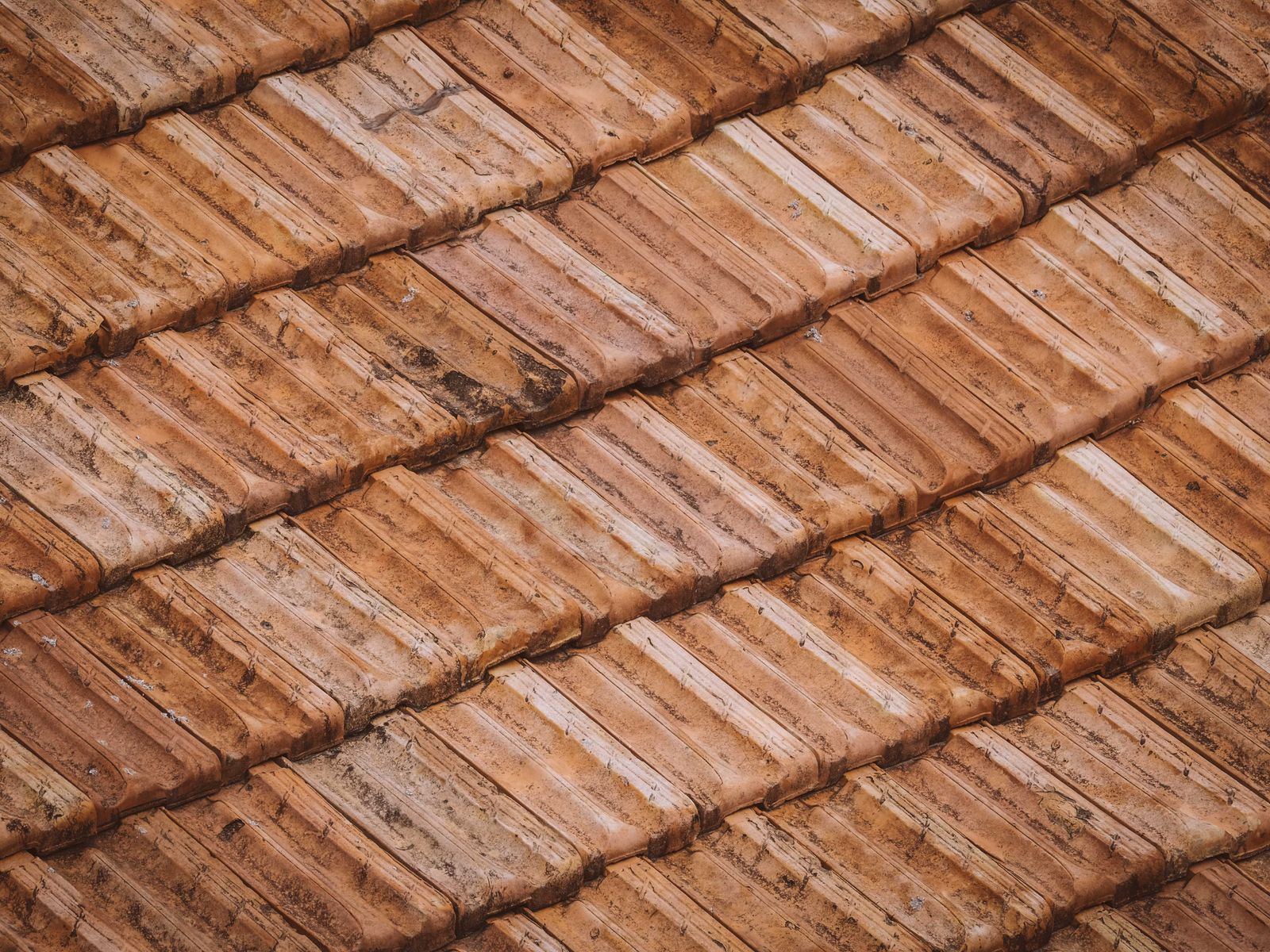
Above the insulation sits a breathable membrane, then timber battens and finally the tiles. Lightweight composite or concrete tiles are common choices because they keep the total weight manageable for a conservatory frame. The whole assembly turns a space that was too hot in summer and too cold in winter into a room that holds a steady temperature. You can read more about what is inside a warm conservatory roof and the specific layers involved before deciding which option suits your home.
Finishing the ceiling inside your conservatory
Once the roof structure is weatherproof, the inside needs finishing. Most homeowners in Aigburth and Allerton choose a plastered ceiling because it matches the rest of the house and hides the insulation and wiring neatly.
A plastering specialist fixes plasterboard to the underside of the new roof structure, tapes the joints and applies a skim coat. Recessed downlights or a ceiling rose for a pendant light are usually fitted at this stage, with cables run before the boards go up. The result is a flat, smooth surface that can be painted any colour.
Some people prefer a tongue-and-groove timber cladding instead of plaster. It gives a slightly different look and avoids the drying time that plaster requires. Either way, the finished ceiling conceals the structural work above it and makes the conservatory feel like a proper room rather than an afterthought bolted onto the back of the house. Ceiling plastering specialists handle this part once the roof is watertight.
Guttering, fascias and keeping water away
Replacing the roof changes the profile of the eaves. The old guttering rarely fits the new edge, so the specialist installs fresh fascia boards and gutters at the same time. This matters because a leaking gutter on a conservatory sends water straight down the frame and onto the base, causing damp.
New uPVC fascias are fixed directly to the rafter ends. The gutter brackets screw into these boards rather than into the old timber, which may have softened over the years. Downpipes are repositioned if the new roof shape alters where the water collects.
On bay-fronted conservatories in Allerton, the valleys between each facet need particular attention. Lead flashing or dry-fix valley troughs channel rainwater into the gutter without letting it track behind the tiles. Getting this detail wrong causes leaks that only show up weeks later during heavy rain. Fascia and guttering replacement keeps the outside as watertight as the new roof itself.
Building regulations and what they mean for you
Swapping a glazed or polycarbonate roof for a solid one changes the building's thermal envelope. That means building control approval is usually required. The specialist firm handling the work submits the application and arranges any inspections needed by the local authority.
They also check whether the existing foundations and dwarf walls can support the additional weight. A conservatory base poured for a lightweight plastic roof might not meet current requirements for a tiled structure. If reinforcement is needed, the installer explains what that involves before starting.
You do not need to learn the regulations yourself. The point of hiring a specialist is that they know which rules apply to homes in Liverpool and which exemptions might cover your situation. They provide the paperwork so you have proof the work was done properly, which matters if you ever sell the house. Read more about building control for warm roofs and whether your base and frame can take a tiled roof before making any decisions.
Ask about your conservatory roof in Aigburth
Send details about your conservatory and a specialist firm will reply with advice on what is possible. There is no obligation to book any work.
- No commitment to buy
- Advice from specialists
- Local to Liverpool