Warm roof guide
Will a warm roof make my conservatory darker inside?
Replacing glass or polycarbonate with solid panels changes how light enters your conservatory. Find out where the light goes, what is lost, and how roof windows keep the room bright enough to use every day.
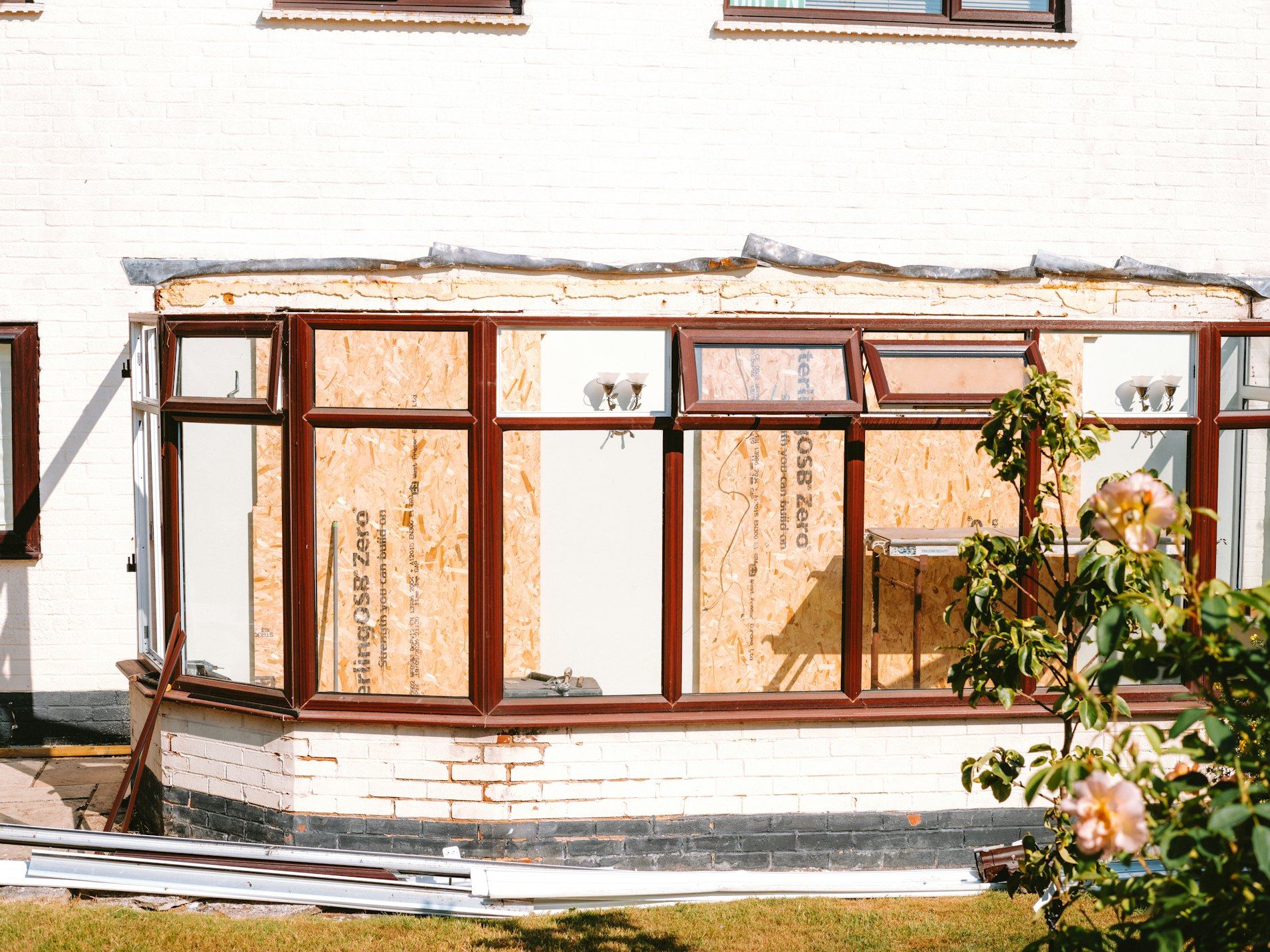
Where the light goes when you change the roof
A polycarbonate or glass roof lets light in from every angle. The sun hits the panels all day, so the space below feels open and bright even when the sky is overcast. That constant brightness is one reason people built conservatories in the first place.
A warm roof replaces those clear panels with insulated ones. The specialist firm removes the old sheets and fits a solid structure designed to hold heat inside during winter and keep it out during summer. Because the new panels are opaque, direct overhead sunlight no longer floods the entire floor area.
That does not mean the room becomes a dark box. Light still enters through the side glazing. If your conservatory has large windows or French doors facing south or west, they will continue to fill the space with daylight. The character of the light changes, though. Instead of an even wash from above, the brightness comes from the sides, much like any other room in your home.
How roof windows bring daylight back in
Most warm roof conversions include at least one opening roof window. The specialist fits these into the solid structure before the tiles go on, placing them where they catch the most available sky. Even a single roof window transforms the feel of the room because overhead glass admits more light than the same size panel set vertically in a wall.
You can choose fixed glazing if ventilation is handled elsewhere, or opening vents that let warm air escape in summer. Some homeowners ask for two smaller windows rather than one large pane, spreading the light across the ceiling instead of concentrating it in a single pool on the floor.
The position matters as much as the size. A window placed near the ridge catches light earlier in the morning and later in the evening. One set lower down the slope might suit a conservatory shaded by neighbouring trees. The specialist surveys the site and plans the layout around the orientation of your home.
Glazing options that control brightness and heat
Not all roof glass behaves the same way. Clear double glazing gives maximum light but also maximum solar gain, which can make a south-facing conservatory uncomfortably hot on a July afternoon. Tinted or coated units reduce glare and block some of the heat while still letting plenty of daylight through.
Self-cleaning coatings are worth considering for any overhead glass. Rain washes dirt off a vertical window easily, but debris sits on a shallow-pitched roof light until someone climbs up to remove it. A coating that breaks down organic matter means less maintenance and clearer glass for longer.
If the conservatory already suffers from overheating, switching to a solid roof with selective glazing solves both problems at once. The insulated panels stop the greenhouse effect, and the remaining glass is specified to admit light without dragging the temperature up. Read more about how a [warm roof conversion works](/warm-roof-conversion-liverpool) and what the layers do.
Ceiling height and plastering affect how light travels
A low ceiling traps light close to the floor. When the specialist builds a warm roof, the depth of the insulation and the framing can lower the internal headroom slightly compared to thin polycarbonate sheets. This is usually measured in centimetres rather than feet, but it influences how bright the room feels.
The finish applied to the underside matters too. A white plastered ceiling reflects daylight back into the room far better than bare timber or a dark paint colour. Most conservatory ceiling plastering uses a smooth skim coat left white or painted in a pale tone specifically to maximise bounce.
If the existing frame allows it, vaulting the ceiling follows the pitch of the new roof rather than running flat across the bottom of the rafters. This extra volume gives light more space to spread. The specialist checks whether the original structure can support a vaulted finish before committing to the design.
What changes for north-facing conservatories
A conservatory on the north side of a house never received direct sunlight through its roof anyway. The old glass or plastic panels admitted ambient sky light, which is softer and cooler than direct sun. Replacing them with a solid roof and a couple of well-placed roof windows often makes very little difference to the overall brightness.
In fact, many north-facing rooms feel more comfortable after the conversion. Without the uninsulated panels constantly leaking heat, the space stays warmer, so you spend more time in it. The perceived darkness was often just the chill making the room uninviting rather than a genuine lack of light.
Side glazing becomes the primary source here. If the existing windows are old, draughty or discoloured, replacing them alongside the roof work lifts the whole room. New frames with high-clarity glass let more ambient light pass through than aged units clouded by years of weather.
Ask about light levels in your conservatory
Send details about your conservatory and its orientation. A specialist firm reviews the information and explains what a warm roof would mean for natural light in your specific room. There is no obligation to proceed.
- No commitment required
- Specialist advice only
- Based on your home